
How to Clean Oxidized Windows — and When to Call a Professional
Oxidized windows aren't just dirty — they're damaged. Learn what causes window oxidation in San Antonio, how it's treated, and when to call a professional. Serving NW San Antonio and surrounding areas.
Alex Flores
5 min read
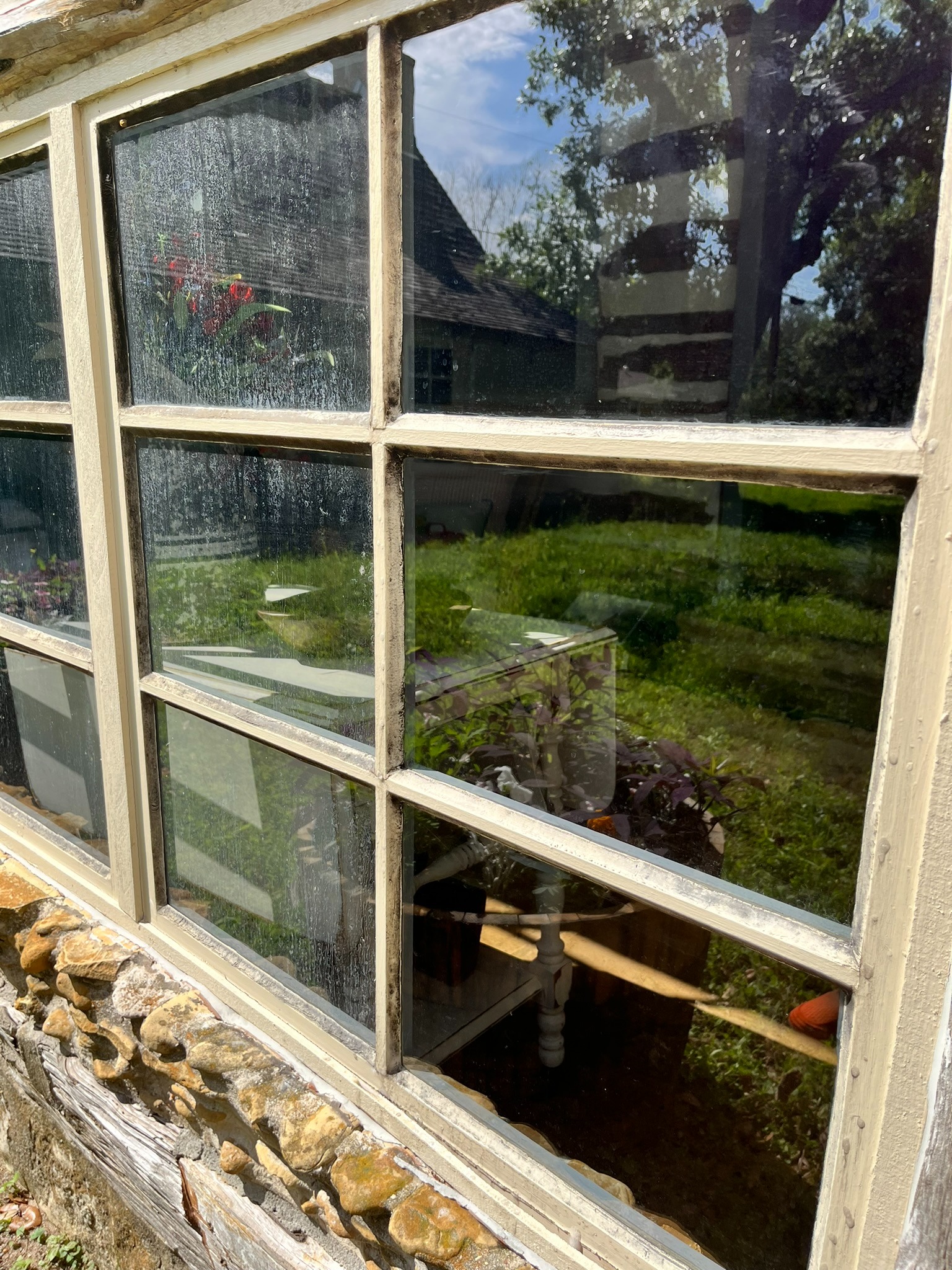
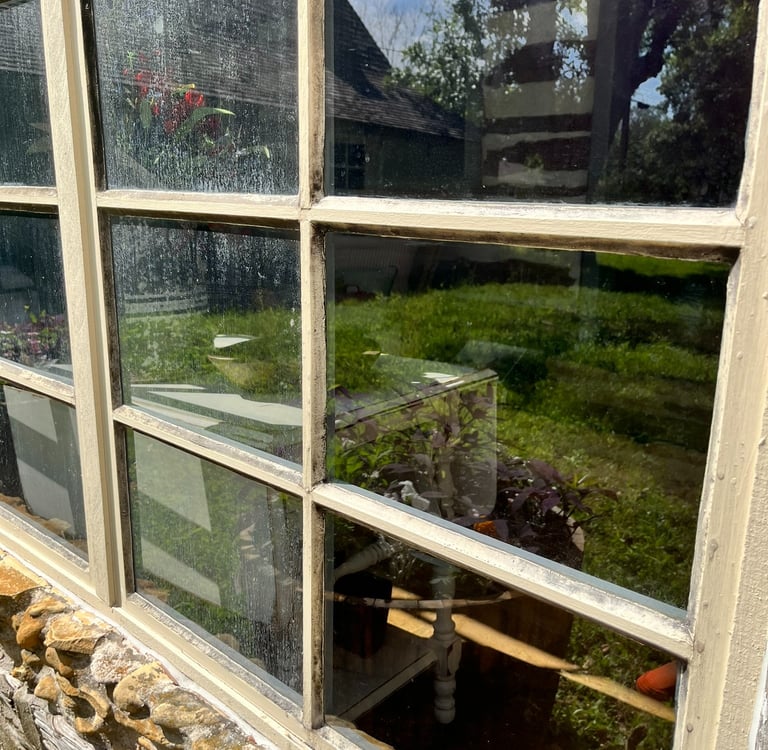
If your windows look hazy, streaky, or cloudy even right after cleaning them, you're probably not dealing with dirt. You're dealing with oxidation — and that's a different problem that requires a different solution.
This is one of the most common window issues San Antonio homeowners and business owners run into, and one of the most misunderstood. Understanding what's actually happening to your glass is the first step toward fixing it the right way.
What Is Window Oxidation?
Oxidation on windows isn't a single thing — it's a term that covers a few related problems that all produce similar results.
Hard water mineral deposits are the most common culprit in San Antonio. The Edwards Aquifer delivers highly mineralized water throughout the city, and when that water lands on your glass — from sprinklers, irrigation systems, or even rain runoff — it leaves behind calcium and magnesium deposits as it evaporates. Over time those deposits bond chemically to the glass surface and can't be removed with standard cleaning products.
Frame oxidation runoff is the second major cause. Window frames — especially aluminum frames common in older San Antonio homes and commercial buildings — oxidize over time from UV exposure and humidity. That oxidation leaches onto the glass surface in streaks, leaving a chalky white or gray film that looks like it should wipe off but doesn't.
UV degradation of silicone seals is the third. The silicone gaskets around window panes break down under intense Texas sun and leave a residue directly on the adjacent glass. Again, standard cleaning won't touch it.
The result in all three cases is the same — glass that looks permanently dirty no matter how many times you clean it.
Can You Clean Oxidized Windows Yourself?
Technically yes, in mild cases. Here's what actually works and what doesn't.
What doesn't work: standard glass cleaner, dish soap, vinegar solutions, and most DIY mineral deposit removers you'll find at a hardware store. These are fine for routine maintenance cleaning but they don't have the chemical strength to break the bond between mineral deposits and glass.
What can work for mild deposits: a dedicated calcium and lime remover applied with a non-abrasive pad, followed by a thorough rinse and standard glass cleaning. Bar Keepers Friend in paste form works on light hard water deposits when applied carefully. The key word is carefully — using anything abrasive on tempered glass, low-e coated glass, or tinted glass can scratch or permanently damage the surface.
What the risks are: this is where most DIY attempts go wrong. If you don't know what type of glass you have, using the wrong product or technique can cause permanent scratching or strip protective coatings that cost far more to repair or replace than a professional cleaning would have cost in the first place. New construction homes in NW San Antonio almost universally have low-e glass, and it is not forgiving of improper cleaning.
When to Call a Professional
There are four situations where DIY is the wrong call:
The deposits have been there for more than one season. The longer mineral deposits sit on glass, the deeper they bond. After a year or more, consumer-grade products won't cut it regardless of how much elbow grease you apply.
You have low-e, tinted, or tempered glass. If you're not certain what type of glass you have, assume you do and treat it accordingly. A professional knows how to identify glass type and select the right treatment.
The oxidation is coming from the frames, not just water. Frame oxidation runoff requires treating both the frame and the glass, in the right sequence, to prevent the problem from recurring after cleaning.
You've already tried and it didn't work. If you've cleaned the windows and the haze is still there, you're past the DIY threshold. Continuing to scrub at it risks causing damage on top of the existing problem.
How Professional Oxidation Removal Works
A professional oxidation treatment is a multi-step process. The glass is first assessed to identify the type of deposit and the glass coating involved. The right chemical treatment is selected based on that assessment — not a one-size-fits-all product. The treatment is applied in a controlled way, worked into the deposit, and then fully removed before any standard cleaning is done.
In cases of severe buildup, multiple treatment passes may be needed before the glass is fully clear. Frame oxidation cases require treating the frame first to stop the source before addressing what's already on the glass.
At Elegant Restorations, oxidation removal is included in our Gold service tier and is also available as a standalone treatment for windows with significant buildup. If you're not sure what level of treatment your windows need, send a photo and we'll give you a straight answer before you book anything.
Preventing Oxidation from Coming Back
Once your windows are treated, keeping them that way comes down to a few habits:
Adjust irrigation systems so sprinkler heads don't spray directly onto window glass. That's the single biggest driver of hard water deposit buildup on residential windows in San Antonio. Clean windows on a regular schedule — twice a year minimum — so deposits don't have time to bond deeply into the surface. Address frame oxidation early. Once aluminum frames start showing chalky white oxidation, they'll continue to degrade and transfer residue to your glass until the frames are treated or replaced.
Regular professional cleaning is genuinely preventive maintenance, not just cosmetic upkeep. The cost of keeping windows clean is a fraction of the cost of replacing glass panels that have been permanently etched by years of untreated mineral buildup.
Serving San Antonio Homeowners and Businesses
Elegant Restorations handles oxidation removal for residential and commercial clients throughout NW San Antonio, Helotes, Shavano Park, The Dominion, Stone Oak, Leon Valley, Fair Oaks Ranch, Boerne, Canyon Lake, and New Braunfels.
If your windows have that stubborn haze that won't clean off, that's exactly what we do. Request a free estimate and we'll take a look.
Frequently Asked Questions
How do I know if my windows are oxidized or just dirty? If the haziness or streaking remains after a thorough cleaning with standard glass cleaner, you're dealing with oxidation or mineral deposits rather than surface dirt. Oxidation typically appears as a uniform haze or chalky film, while mineral deposits show up as defined spots or streaks that correspond to where water has been hitting the glass.
Can oxidized windows be fully restored? In most cases yes, with the right treatment. Severely etched glass — where deposits have been left untreated for many years — may have permanent surface damage that can't be fully reversed. Early treatment gets better results.
Does oxidation mean my windows need to be replaced? Not usually. Oxidation is a surface condition in most cases and responds to professional treatment. Replacement is only necessary when the glass itself has been permanently scratched or when the seal between double panes has failed, which is a separate issue.
How long does oxidation treatment take? It depends on the severity and the number of windows involved. A standard residential treatment alongside a full window cleaning typically adds 30 to 60 minutes to the job. Severely affected windows may require a dedicated treatment visit.
Is oxidation removal included in standard cleaning? At Elegant Restorations, oxidation removal is part of our Gold service tier. For windows with significant buildup it can also be scheduled as a standalone service. Request a free estimate and we'll advise on what your windows actually need.
Elegant Restorations Window Cleaning serves residential and commercial clients throughout San Antonio and surrounding areas. 32 five-star Google reviews. Saturday appointments available. Request your free estimate at elegant-restorations.com.
Hours


Monday - Friday: By Appointment
Saturday: 7:00am – 7:00pm
Sunday: Closed
(210) 850-8084
San Antonio, Tx 78254
Check Out Our Service Areas!

